
A conversation with Up2You about the Green Cup and the experiences that turn values into action.
Engaging people around sustainability topics is one of the biggest challenges for companies today.
Not because initiatives are lacking, but because real engagement is often missing: people struggle to feel like an active part of change.
This is where the Up2You Green Cup comes from: a challenge that combines training and gamification to turn sustainability into something people experience, not just something they hear about.
As partners of this edition of the Green Cup, we decided to interview the Up2You team and ask them how the Green Cup was born, why the 2026 edition will be dedicated to biodiversity, and what it means today to create experiences capable of bringing together people, companies, and positive impact.
This is not just an interview. It is a conversation about how change takes shape when people become an active part of the process.
Table of contents
Let’s start from the beginning: what is the Up2You Green Cup and what need was it created to address?
Green Cup is a 5-week sustainability challenge designed to train and engage corporate teams through a team competition with prizes up for grabs. It was born from a concrete need: one of our clients, with whom we were collaborating on Carbon Footprint work, was experiencing low engagement in traditional ESG training activities.
From there, we created PlaNet, our training platform that combines learning, gamification, engagement, and team building for employees. Green Cup was then born from PlaNet.
The Up2You Green Cup is a 5-week online challenge. How did the idea come about?
Green Cup was created from our existing PlaNet training platform: ESG training based on gamification dynamics had already been very successful within individual companies that offered it to their employees. From there, we asked ourselves: why limit the challenge to teams within the same organization?
With Green Cup, we extended the competition to different companies, creating a shared experience that amplifies engagement, stimulates discussion, and strengthens the sense of community around sustainability issues.
How does the challenge format help people work together, join forces, and feel part of a team, even remotely?
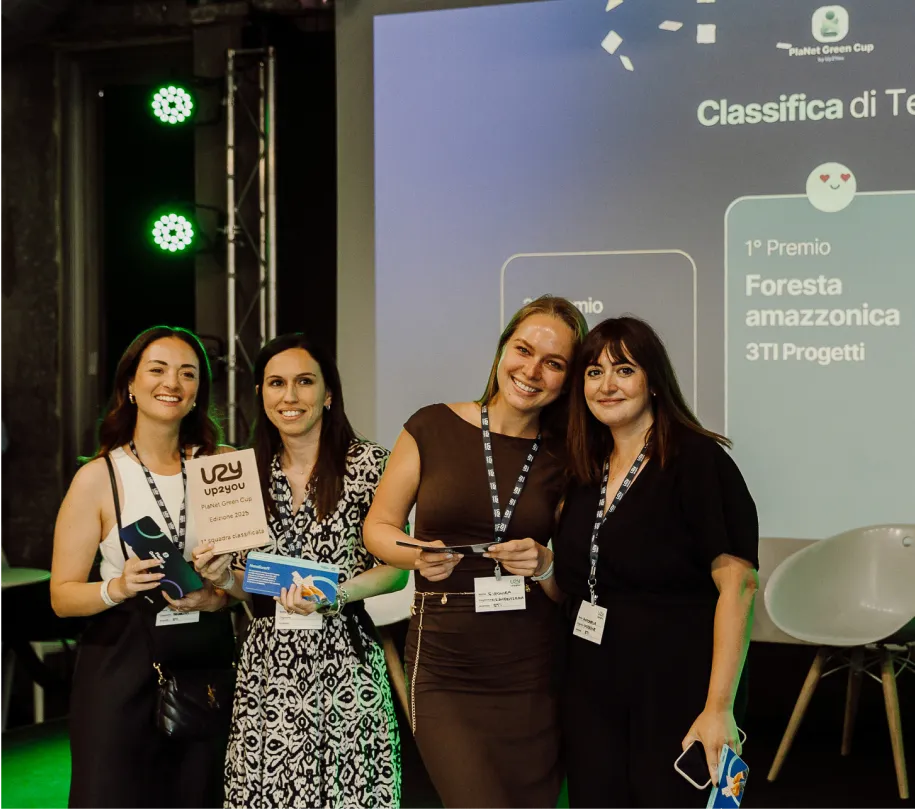
The challenge format, with teams made up of 10 people, is designed first and foremost to make training effective and participatory, encouraging active collaboration and a sense of belonging, even remotely. Teams work to achieve common goals, sharing actions, results, and weekly progress: this creates shared responsibility and encourages mutual support.
In your opinion, what is the main value that Green Cup brings within organizations?
We believe that training employees on ESG topics is the essential first step to effectively integrating sustainability into corporate strategies. We also believe in gamification and direct people engagement as the best tool for training employees. Green Cup is the practical implementation and demonstration of all this. “Sustainability concerns each and every one of us” — this is the main message it brings into companies.
The 2026 edition will be dedicated to biodiversity. Why did you choose this topic, and why do you think it is so relevant today for companies and their teams?
Biodiversity is nothing less than the interconnected network that makes life and ecosystem functioning possible. Human activities and the economies of all production systems depend on biodiversity. The connection between business and biodiversity today is closer than we can imagine, and this is what we want to make clear to everyone with this edition.
In your opinion, what is the biggest challenge companies face when trying to engage people around sustainability topics?
The greatest difficulty lies in overcoming the perception that sustainability is a distant, complex, or purely theoretical topic. People often struggle to grasp its real impact on their work and everyday life. For this reason, it is essential to integrate these topics into a broader, clear, and coherent sustainability strategy, capable of translating them into concrete actions that are understandable and relevant to everyone.
Was there a result, feedback, or moment that made you realize the Green Cup was really working?
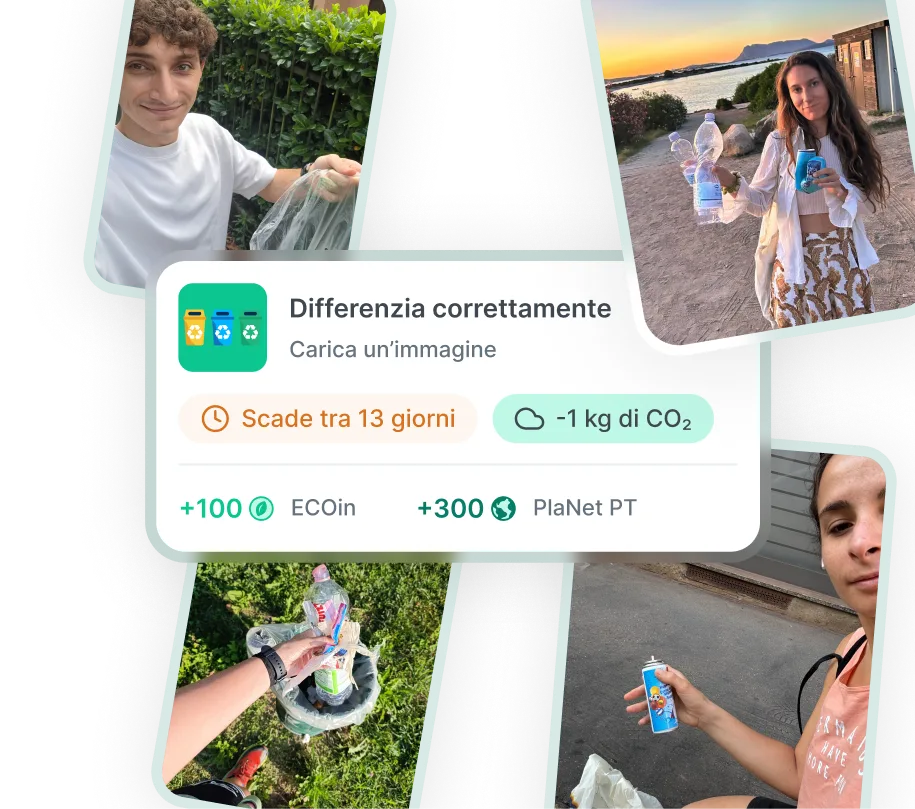
Absolutely, yes — we saw it both in the numbers and in the feedback. Across five editions, Green Cup has involved over 1,000 participants from more than 50 companies, with a 95% engagement rate and over 145,000 missions completed.
But more than anything else, we were struck by people’s stories: some discovered issues they had never addressed before at work, others developed a greater sense of responsibility toward the planet, and others saw new relationships emerge thanks to team building and the creation of true sustainability ambassadors.
Why did you choose WildSteps as a partner for one of this year’s prizes?
Our decision to collaborate with WildSteps was based on the values we share, especially the importance of promoting a sustainable lifestyle in the corporate world. In addition, WildSteps proved to be perfectly aligned with the spirit and theme of this edition, strengthening the Green Cup’s message: turning sustainability into a concrete and participatory experience, in line with the values we want to convey.
From storytelling to action
From the conversation with Up2You, one clear point emerges: sustainability works when it stops being an abstract concept and becomes a shared experience.
Whether it is a digital challenge like the Green Cup or an outdoor activity in nature, the common thread is the same: engaging people, activating them, and making them part of change.
The collaboration between Up2You and WildSteps was born from this shared vision. Because we believe that real impact is born when training, play, and experience come together — inside and outside the company.
If you also feel the need, within your organization, to turn values into action and create moments that leave a real mark on teams, perhaps this is the right time to take the next step. Together.