
Citizen science, also known as participatory science, is a collaboration between scientists and curious people who are motivated to preserve nature and take part in scientific projects.
Definition of Citizen Science
Citizen science is defined as scientific research carried out by individuals without professional scientific training, who contribute to:
- Identifying research topics
- Collecting data, analyzing it, and interpreting results
- Making new discoveries
- Taking part in the creation and development of apps
This approach is instrumental, as it must reflect the goals of scientific institutions. At the same time, it takes into account citizens’ participation in the production of scientific knowledge.
It is therefore an alliance between motivated and engaged people. It is a way to involve stakeholders, such as citizens and companies, and increase awareness of the importance of nature conservation.
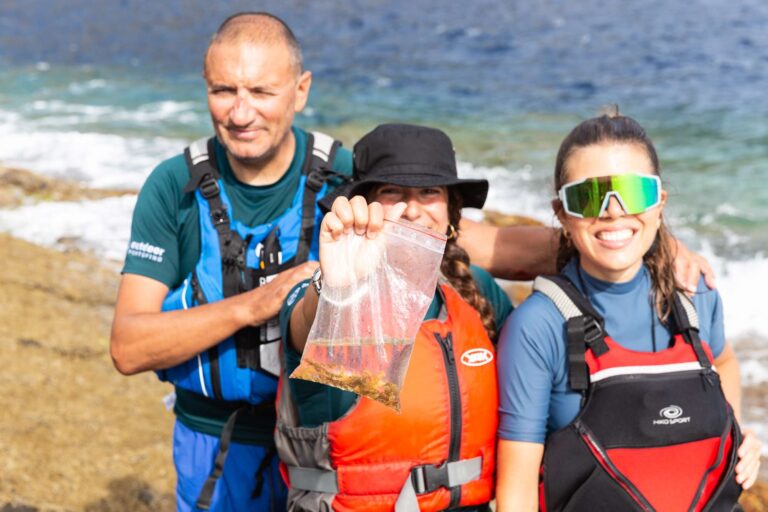
Table of contents
Benefits of citizen science
Anyone can benefit from taking part in outdoor participatory science activities. Firstly, because protecting the Earth concerns each and every one of us; secondly, because it offers the opportunity to expand the knowledge base of both scientists and citizens through everyone’s involvement.
The benefits of citizen science mainly apply to three groups of stakeholders:
- scientists
- individual citizens
- companies
Benefits for scientists and researchers:
Through participatory science, scientists can open the research process to the public, allowing them to conduct investigations and make discoveries they would not have been able to achieve alone. By involving citizens in data collection, communication, and analysis, scientists can carry out their work more efficiently and expand their reach.
In today’s interconnected world, thousands of people can contribute to in-depth studies and research even remotely. The benefits for scientists and researchers mainly fall into these three categories:
- Contributory: when citizens collect data
- Collaborative: when they analyze and interpret data
- Co-creative: when they participate at every level of a project
Benefits for citizens:
By taking part in citizen science projects, a citizen scientist becomes more aware of environmental issues and of the importance of taking action for sustainability. Volunteers and participants become increasingly involved in scientific research, improving their knowledge and expertise on environmental topics.
In addition, involving communities in their immediate environment gives them a sense of responsibility and belonging that improves their social well-being.
Citizen science helps ensure that scientific agendas are well aligned with major social challenges, such as the SDGs, and helps reduce the distance between citizens and science.
It encourages people to become increasingly curious about the world around them. Being more informed, citizens can play a valuable role in influencing key political decisions based on scientific reports.
Benefits of citizen science for companies:
Citizen science allows companies to implement an ESG strategy by carrying out sustainable actions. They can also have an impact on local policy and the conservation of natural resources.
In this way, companies gain a positive image and greater visibility among their future customers.
It involves team members in environmental protection on the one hand, while increasing their engagement at work on the other.
Citizen science projects
Through concrete projects, it is possible to see how research and technological development can advance. Citizen science projects are wide-ranging and can take different forms depending on the topics they address. These are some common themes:
- Projects related to water
- Projects related to air quality
- Projects related to the biodiversity of fauna and flora
- Projects related to space
For example, one of the earliest projects was the Christmas Bird Count. Sponsored since 1900 by the National Audubon Society, this annual event is led by an expert who accompanies a group of volunteers in collecting information about local bird populations.
In addition, the European Union recently founded the EU-Citizen Science project, encouraging more and more people to take part in scientific data collection. This highlights the need to educate everyone about environmental protection and to quickly bring sustainable awareness to future generations.
Citizen science and outdoor sports with WildSteps
WildSteps is an innovative socially oriented start-up that aims to connect outdoor centers, citizens, and companies with scientific research projects, creating a new model of interaction between people and nature in which outdoor sports serve environmental conservation.
WildSteps brings this initiative to companies, which can take part in sustainable team-building activities through the experiences offered.